How to Read a Kratom COA Report
A Certificate of Analysis is the single most important document a kratom importer will ever review. Here is how to interpret every parameter.

For a wholesale buyer, a Certificate of Analysis (COA) is the single most important document you will ever review before placing an order. It is the only objective record that the product you are about to import is pure, potent, and free of contamination. Yet many buyers skim the document and never fully understand what the numbers mean — or what they should be looking for.
The two questions every COA answers
Every meaningful COA answers two questions. First: is the alkaloid content what the supplier claims it is? Second: is the material safe and compliant with the limits that matter to your market? Everything else on the page is supporting detail for those two questions.
- Alkaloid potency — mitragynine percentage and, critically, the 7-hydroxymitragynine limit.
- Heavy metal residue — lead, cadmium, arsenic, and mercury, usually measured by ICP-MS.
- Microbiological load — total plate count, yeast, mold, and pathogens such as E. coli.
- Physical parameters — moisture, ash, and particle size that determine shelf life and end-use behavior.
Reading the alkaloid numbers
Mitragynine is the dominant alkaloid in Mitragyna speciosa and the primary marker of potency. In a quality commercial powder, mitragynine typically ranges between 1.2% and 1.6% by HPLC-UV analysis. Anything below 1.0% should raise questions about harvest maturity or adulteration. The second figure, 7-hydroxymitragynine, matters even more for compliance: responsible exporters keep it low, and strict markets cap it at a fraction of a percent.
| Parameter | Method | Result | Limit |
|---|---|---|---|
| Mitragynine % | HPLC-UV | 1.62% | ≥ 1.50% |
| 7-Hydroxymitragynine % | HPLC-UV | 0.02% | ≤ 0.05% |
| Moisture Content % | Gravimetric | 6.8% | ≤ 10.0% |
| Heavy Metals (Pb) | ICP-MS | 0.12 ppm | ≤ 0.50 ppm |
| Microbiology | Plate Count | < 10 CFU/g | ≤ 100 CFU/g |
Red flags to watch for
- No laboratory name, accreditation, or unique COA identifier.
- Missing 7-hydroxymitragynine or heavy metal results — often a deliberate omission.
- A COA that never changes between batches, suggesting it is reused or fabricated.
- A single COA covering multiple very different batches.
“A COA is only as trustworthy as the lab that issued it. Always verify the laboratory is accredited and that the batch number on the COA matches the batch on the packaging.”
At KratomWholesale.id, every batch is tested in our in-house ISO-standard laboratory and the full COA is shared with buyers before shipment. We believe transparency is not optional — it is the foundation of the wholesale relationship.
Request samples with full COA
Every lab sample ships with its complete Certificate of Analysis. Compare our numbers against your current supplier.
Request Lab SamplesDr. Maya S.
Head of Quality ControlDr. Maya S. is part of the Head of Quality Control team at Kratom Wholesale Indonesia, supporting importers across Quality Control and compliance.
Related articles
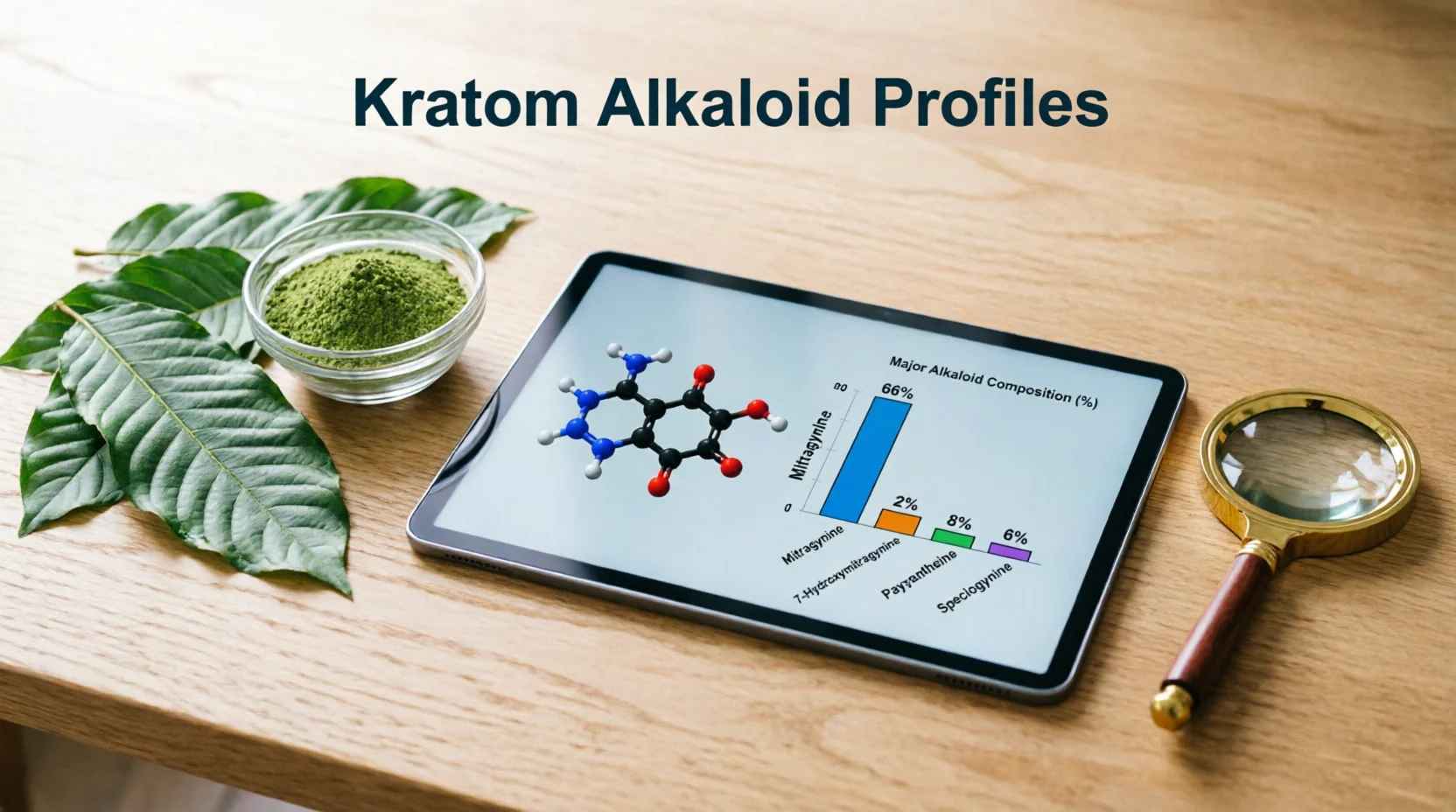
Kratom Alkaloid Profiles: What Buyers Should Know
Mitragynine and 7-hydroxymitragynine are only the beginning. Understanding the full alkaloid picture helps buyers specify products with confidence.
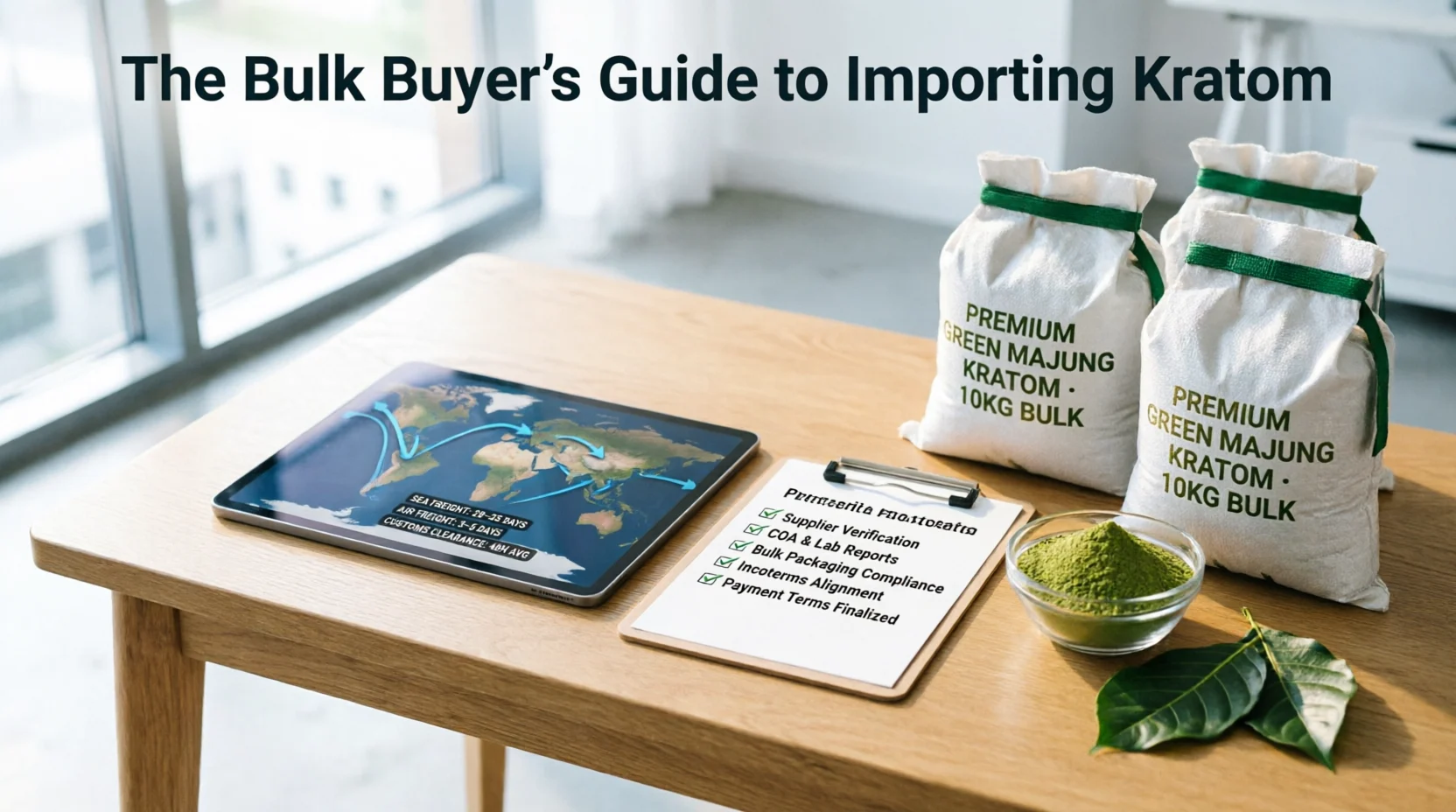
The Bulk Buyer's Guide to Importing Kratom
From MOQ and Incoterms to documentation and freight, here is what first-time importers need to know before their first container.
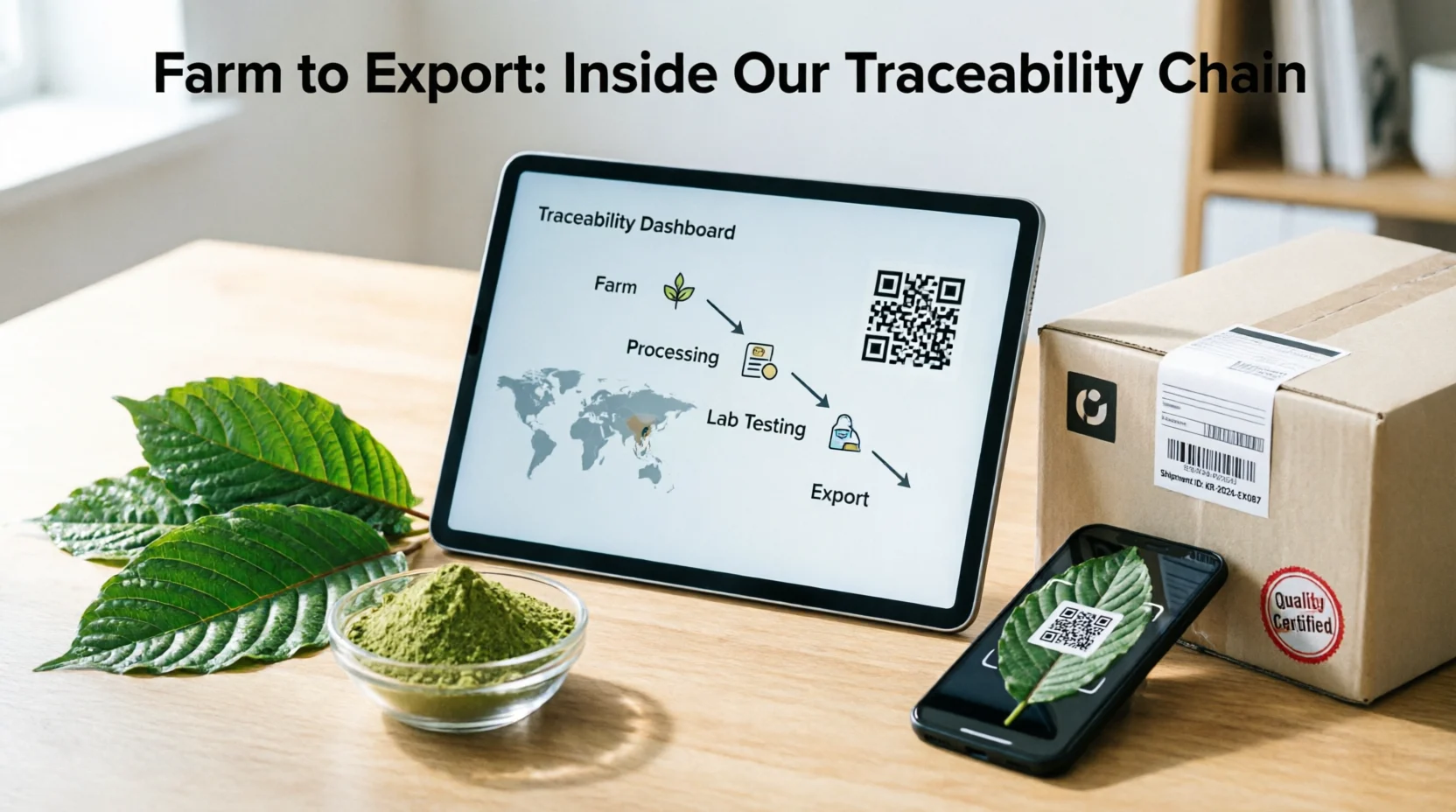
Farm to Export: Inside Our Traceability Chain
Every batch we ship can be traced from GPS coordinates on a farm in Borneo to the export documentation leaving Jakarta. Here is how that works.
Put sourcing knowledge
to work for your business
Talk to our team about applying these insights to your product line, your compliance needs, or your first order.
>_ Minimum order: 25kg · Lab samples available · FOB / CIF available